|
|
 |
|
|
|
| Hello! |
|
|
|
| Hollywood? |
|
|
||||||||||||||||||||||||||||
|
|
||||||||||||||||||||||||||||||||||||||||||||||
|
|
|
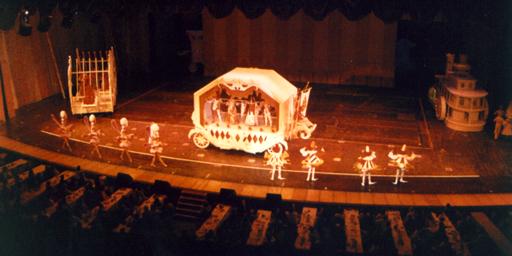
| For several years during the mid-80's, I was a card-carrying union member of I.A.T.S.E. local #363 in Reno, NV. MY greatest claim to fame is that for a year or two, I got to work on "the World's Largest Stage". After several months working ‘on-call’ (filling in for sick crew members), I was hired full-time, and began my apprenticeship in the union. |
|
|
||||||||||||||||||||||||||
|
|
|
| After a few months working the different positions as stagehand, I was promoted to Deck Electrician. (Instead of pushing big sets around, I got to plug them in, and push around small buckets of hot water & dry ice for the fog machines. Typical...go up in status, and do less work! :^) |
|
|
|
|
|
|
|
|
|
| Probably the coolest thing about working there was that everyone rotated positions, every night. Since the show had been running for ten years, the stagehands reduced on the job fatigue by working a different stage position every night. This was actually lots of fun, since the new guys got to work virtually every part of the stage. As a temp, one week I would get called in to cover for someone on stage right. The next week I would get to work up in the FlyRail, flying scenery in and out. | ||||||||
 |
||||||||
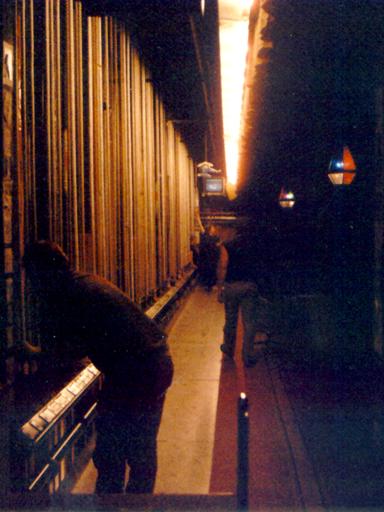
| A view of the guys on the Fly Rail - getting ready for a scene change. | ||||||||
 |
||||||||
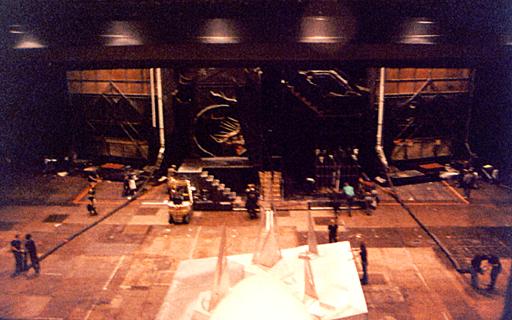
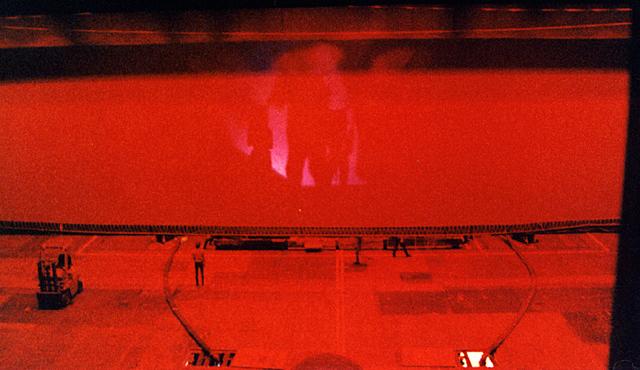
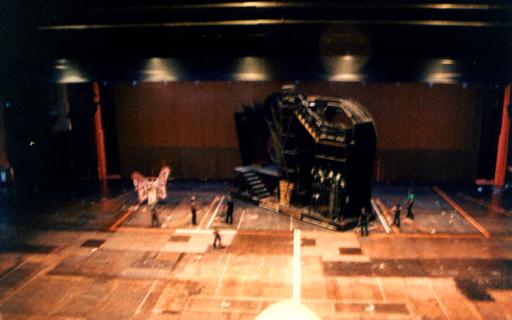
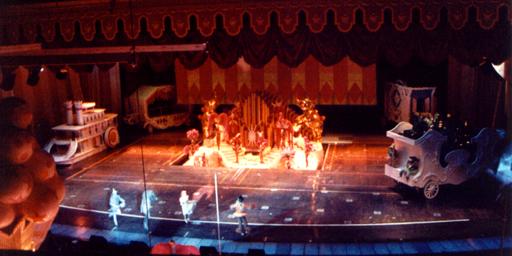
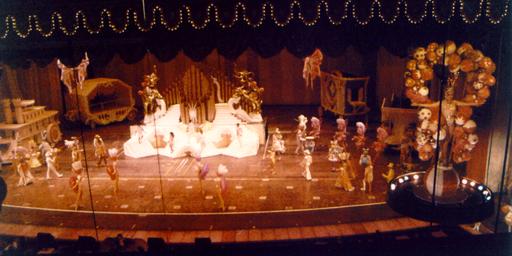
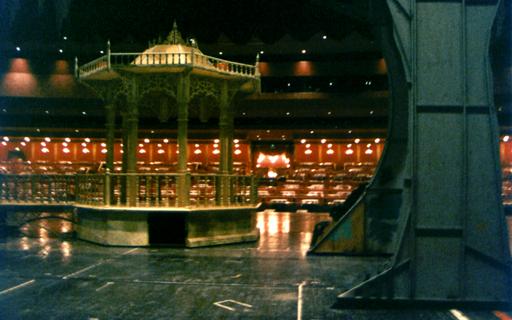
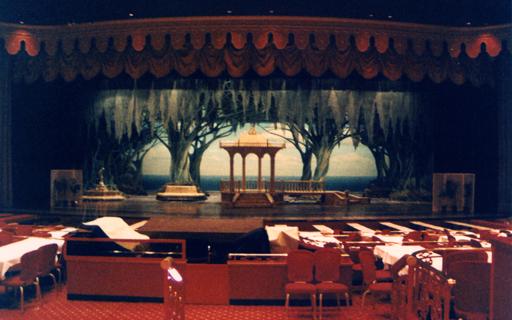
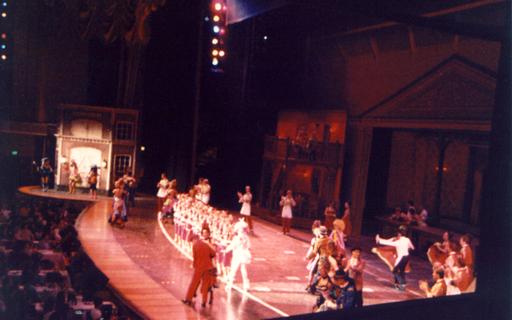
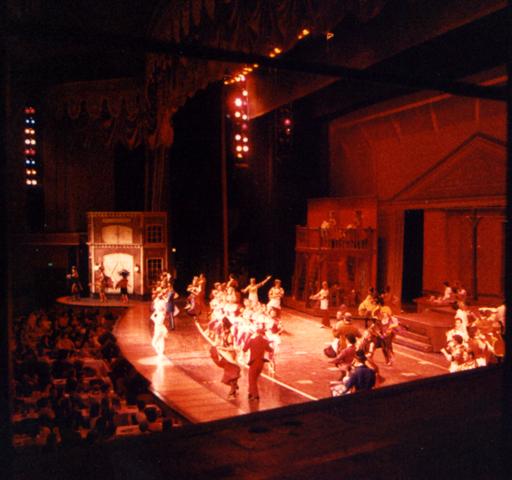
| And, what a stage! At the time, it was the “World’s Largest Stage”. The center of the stage had a set of three 10’x30’ elevators that were operated separately, or in unison, during the course of the show. When loading the wagons from Lower Ziegfeld, all three operated in unison. It was like riding the elevators on a large aircraft carrier. One day, while working the afternoon maintenance shift, they even let me push the buttons, and raise and lower the elevators from the button booth!! Killer!!! On each side stage were two smaller ‘vators that were about 10’ in diameter. All of the ‘vators could drop down to Lower Ziegfeld for preset of the next part of the show. | ||||||||
|
|
||||||||
 |
||||||||
|
The
'bawdy' Barbary Coast again - this was a quiet time for my position that
night.
|
||||||||
|
|
|||||||||||||
|
|
|||||||||
|
|
|||||||||||||||||||||||||||||||||||||||||||||||||||||||||||
|
|
|||||||||||
|
|
|
||||||||||||||||||||||||||||||||||||||||||||||||
|
|
|||||||||||||
|
|
|||||||||
|
|
|
| The first call I ever got was to fill in for a week in the 'Lower Ziegfeld'. The 'Lower Ziegfeld' turned out to be a well-lit concrete area as big as the largest stage I had ever seen - it was just directly under the _real_ stage! Crammed into every spare corner were all kinds of pieces of huge, rolling stage equipment - from wagons to Space Rakes. Our responsibility was to load the equipment onto one of three elevators. The biggest elevator was a three-piece unit consisting of three interlocking 10'x30' units capable of something like 45' of vertical travel - it was like working in the bowels of an aircraft carrier!For the entire week - two shows per night, for seven nights, I worked in a well-lit environment, with the dull rumble of a show going on over my head. (For anyone familiar with 'traditional' theatre, you will understand my confusion.) I found it all rather bewildering, but the 'regulars' were incredibly helpful, and understanding. (For the first week, I worked mostly on one of two SMALLER elevators - 10' diameter "'vators" on Stage Left & Right.) |
|
|
|
| During the next two years, I worked virtually _every_ part of the stage - from the Lower Ziegfeld, all the way up to the FlyRail. | ||
|
|
||